Likes, Lotus Flowers, and the Slow Erosion of Thailand's Sacred Spaces
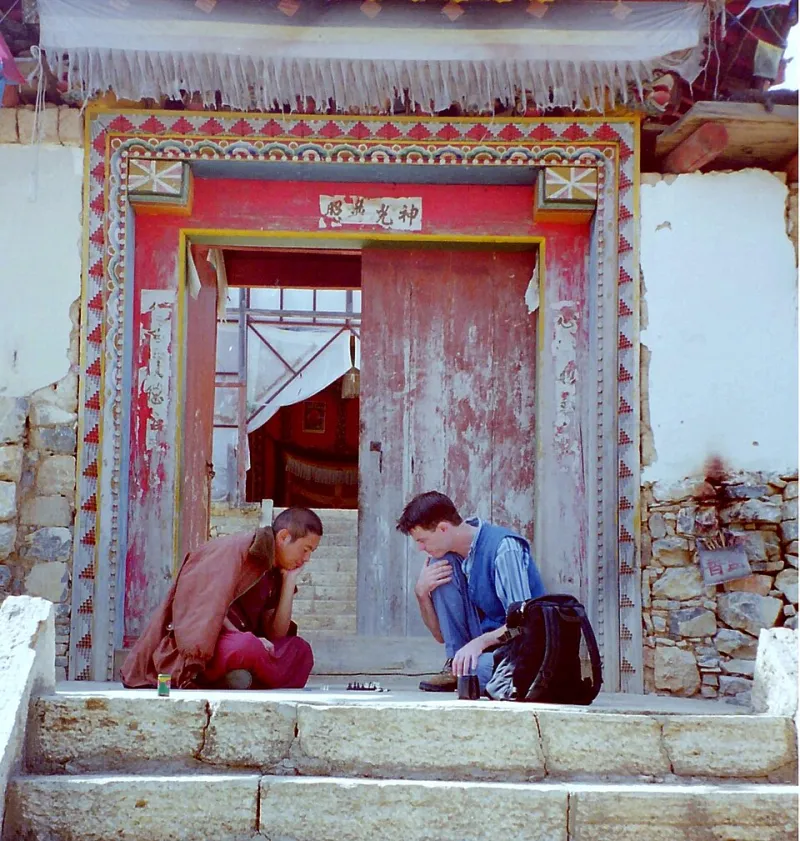
Photo: Calistemon, CC BY-SA 4.0, via Wikimedia Commons
There's a photo that went viral on Instagram last year. Maybe you've seen it. A blonde woman in a flowy white linen set, eyes closed, hands pressed together in a practiced wai, seated cross-legged at the base of a golden chedi at Wat Pho. The caption: Finding my center in the land of smiles. ✨🙏 #BuddhistVibes #ThailandSpirit #SoulTravel. It got 47,000 likes.
The monk who had been meditating three feet behind her — cropped out of frame — had reportedly asked her twice to move.
This is where Buddhist tourism in Thailand has arrived: a strange, uncomfortable intersection of genuine spiritual longing, social media performance, and a commodification machine that's rewriting the rules of sacred space in real time. And while Americans back home are busy debating the ethics of cultural appropriation at yoga studios in Brooklyn, the actual consequences are playing out in temple courtyards across Chiang Mai, Bangkok, and beyond.
The Wellness Industrial Complex Comes for the Dharma
Call it the Buddha Boom. Over the past decade, Thailand has seen an explosion in what the tourism industry politely calls "spiritual tourism" — meditation retreats, monk-for-a-day programs, temple stays, and dharma workshops that promise transformation in exchange for a few hundred dollars and a flight to Southeast Asia. The Global Wellness Institute estimated the wellness tourism market at over $800 billion before the pandemic, and Thailand positioned itself aggressively to capture a slice of that.
On the surface, there's nothing wrong with any of this. People seeking genuine connection with Buddhist philosophy, looking to slow down, to understand something beyond their own cultural bubble — that's not inherently exploitative. Thai Buddhism has always been a living, breathing tradition that welcomes sincere practitioners.
The problem is the ratio.
For every traveler who arrives with genuine curiosity and appropriate humility, there's a growing wave arriving with a Ring light and a content calendar. Temples have become backdrops. Monks have become props. And the ancient architecture of spiritual practice — the silence, the routine, the intentional withdrawal from worldly distraction — is being dismantled selfie by selfie.
"We have had to put up signs," says a temple administrator at a prominent Chiang Mai monastery who asked not to be named. "Signs that say no photography during prayer. Signs about dress code. Signs about where you can and cannot walk. Ten years ago, we had none of these signs. People understood. Now we need signs, and still people ignore them."
The Monk-for-a-Day Economy
One of the most revealing pressure points is the so-called "monk experience" industry — packaged programs where tourists can temporarily ordain, don saffron robes, and participate in morning alms rounds, all for a fee that often ends up in the pockets of private tour operators rather than the temples themselves.
In Thailand, temporary ordination is a deeply meaningful cultural practice. Thai men traditionally ordain for short periods as a form of merit-making, marking life transitions, honoring deceased relatives, or fulfilling a spiritual obligation. It's intimate, communal, and embedded in family and village life.
The commercialized version strips nearly all of that context away. What remains is a costume and a photo opportunity.
Monks who spoke to Thai Tsunami — several of whom requested anonymity, wary of creating conflict — described feeling increasingly like performers in someone else's narrative. One senior monk at a temple near Pai described tourists filming alms rounds from inches away, shoving cameras into the faces of elderly monks collecting food offerings at dawn. "These are not zoo animals," he said quietly. "This is our morning. This is sacred time."
What's particularly striking is how the wellness tourism marketing language actually intensifies the problem. Phrases like "authentic spiritual immersion" and "genuine Buddhist experience" attract exactly the kind of traveler who believes their intentions exempt them from scrutiny. The more convinced someone is that they're a real spiritual seeker — not like those other tourists — the more license they feel to push into spaces where they don't belong.
When the Algorithm Meets the Altar
Social media has introduced a feedback loop that traditional tourism never had to contend with. A single viral post can transform a quiet, relatively unknown temple into an overnight destination, flooding it with visitors before any infrastructure or consent framework exists to manage them.
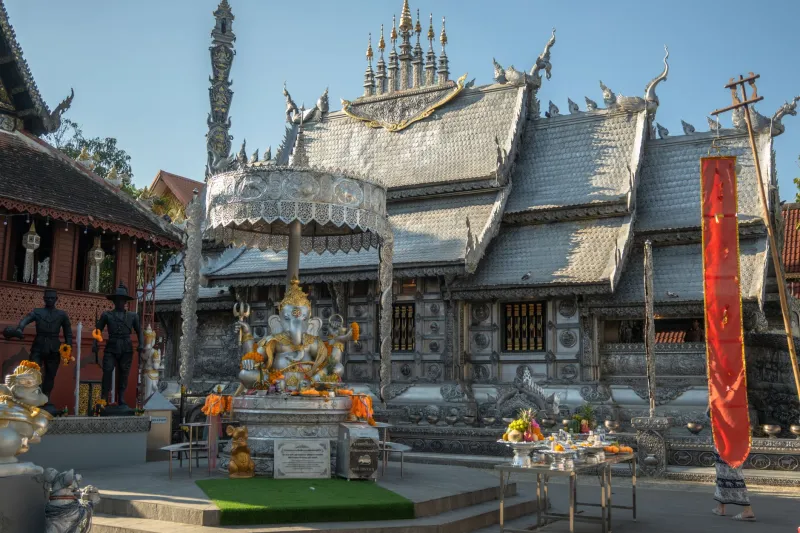
Wat Rong Khun — the White Temple near Chiang Rai — is often cited as a cautionary tale. Its otherworldly appearance made it irresistible to content creators, and visitor numbers exploded. The temple's creator, artist Chalermchai Kositpipat, has been vocal about his frustration with tourists who treat his life's spiritual work as a photo booth. He's had to implement strict rules, charge admission, and essentially build a management apparatus around a space he envisioned as a place of quiet devotion.
Smaller, less resourced temples don't have that option. They simply absorb the intrusion.
"Americans in particular," one Bangkok-based cultural anthropologist told us, "often arrive with a kind of spiritual consumerism that's very specific to their cultural context. They've been told that wellness is something you purchase, that transformation is a product, that you can buy authenticity. And then they bring that framework to a tradition that is fundamentally not transactional."
What Genuine Engagement Actually Looks Like
None of this means Americans should stay away from Thai temples. That conclusion would be both overcorrective and patronizing to Thai Buddhists who genuinely welcome curious, respectful visitors.
But the distinction between respectful engagement and spiritual tourism extractivism isn't complicated — it just requires a kind of intentional humility that the content-creation mindset actively works against.
Put the phone down before you enter. Follow the dress code without being asked. Sit in the back during ceremonies. Don't approach monks for photos — especially not monks who are meditating, praying, or collecting alms. Learn even the most basic vocabulary of Buddhist practice before you arrive. And critically: ask yourself whether you're there to understand something, or to document that you were there.
The difference between those two motivations is the entire ballgame.
Thailand's Buddhist tradition has survived centuries of political upheaval, colonialism's shadow, and rapid modernization. It doesn't need saving. But it does deserve something that Instagram culture is structurally terrible at providing: genuine, unperformed respect.
The likes will fade. The temples will remain. The question is what condition they'll be in when the algorithm moves on to the next aesthetic.